
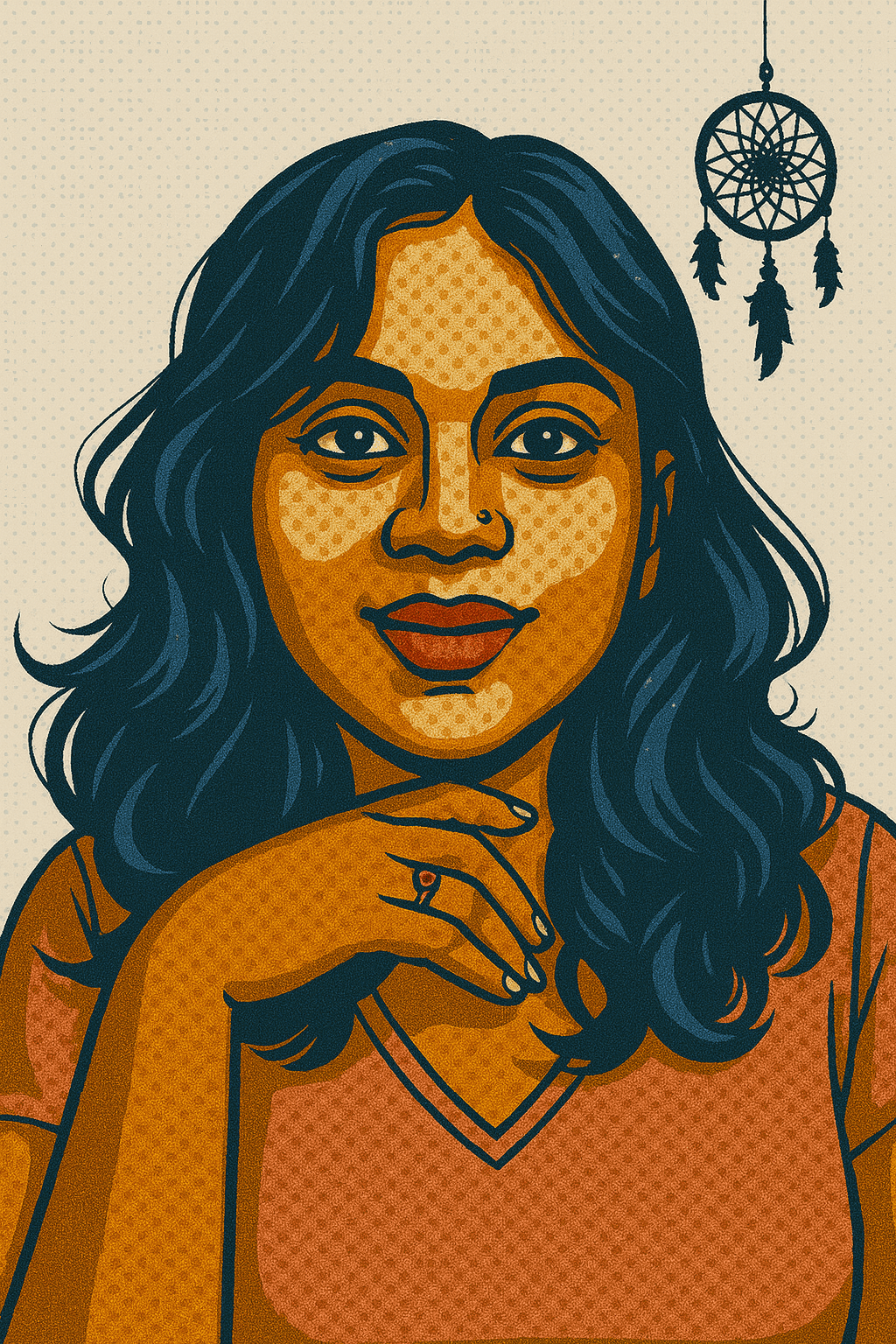

Maryna Bondarenko is Director of Business Development at Fortis Games, working on casual games and publishing out of London. She has been in games business development since 2019, with four years at Miniclip before her current role, and has been a Women in Games ambassador since 2022.
We asked her about two things: who gets into the room, and where the room is now.
From Affiliate Marketing to Gaming
Her first roles were in affiliate marketing. Games came later.

Gaming wasn’t part of my plan early in my career. I didn’t fully realise the business side of the industry when I started. Like many career moves, it was a mix of timing and fate.
What transferred was the way of working. Affiliate marketing runs on measurable outcomes and fast decisions about what to stop spending on, and she found the same rhythm in BD.
Once I stepped into gaming, I quickly realised that the performance-driven mindset from affiliate marketing translated naturally into BD, and I fell in love with the fast-paced ecosystem.
Why She Became a Women in Games Ambassador
The ambassador role is unpaid and sits on top of a full BD job. She took it in 2022.
Having navigated a heavily male-dominated industry myself, I wanted to share real, practical experience with women entering the gaming industry. If seeing my path helps even a few women build confidence, navigate the business side of gaming, and see a long-term future here, it would be entirely worth it.
Visibility Improved. The Top Seats Didn’t.
Asked what has genuinely changed for women in the last decade, she separates two answers. The first is recognition.
Seven years ago, leadership teams and conference panels were almost exclusively male. Today, women are leading major BD initiatives, heading studios, and receiving well-deserved recognition for revenue and product successes.
The workforce numbers moved in the same direction, slowly. The GDC State of the Industry survey put women at 25% of the games workforce in 2025, up from 23% the year before.
The second answer is where it stalls.
While mid-to-senior ranks are far more diverse, female founders are still a disproportionately small part of top executive seats.
Xsolla research found around 5% of gaming studios have women in leadership positions.
If Your Applicant Pool is All Male
When asked, “we want a balanced team, every applicant is a man, what do we do?” Maryna’s answer is about where the job goes, not who gets shortlisted.
Don’t just post on standard job boards and wait. Actively engage communities like Women in Games and targeted networking groups.
And what a candidate sees before applying.
Highlight existing female leadership, flexible working policies, and inclusive workplace culture publicly. Diversity attracts diversity.
Where the Pitches Come From Now
Five years ago, pitches were heavily concentrated in traditional hubs across North America and Western Europe. Today, the global playing field is far more decentralised. We’re seeing incredible studios emerging from Eastern Europe, Southeast Asia, and Latin America.
She is direct about the quality.
These teams are sharp, highly sophisticated, and understand the global market dynamics just as well as tier-one Western studios.
Market data points the same way. Among emerging markets, Türkiye, Vietnam, Indonesia and India currently offer the strongest combination of growth rate and long-term market size.
Slovenia and Slovakia Surprised Her
We asked which region surprised her most in the last two years. She named the two most people would not.
Central Europe, specifically markets like Slovenia and Slovakia. Despite relatively small local ecosystems, the density of talent, technical execution, and agility coming out of these countries is exceptional. They produce lean teams that scale efficiently across both mobile and PC.
Monetization Follows the Wallet
Monetisation strategies are deeply tied to regional infrastructure, purchasing power, and player behaviour. In markets like Vietnam or parts of LATAM, where credit card penetration or local purchasing power might be lower, studios naturally lean into ad-based or hybrid IAA monetisation. Whereas US and Western European teams still default heavily to IAP-first frameworks, though rising user acquisition costs are forcing everyone globally toward hybrid models.
Three things follow for anyone running the ad stack across a wide geo mix.
- Published eCPM benchmarks describe Tier 1 traffic. The US, UK, Canada and Australia sit at the top of the range, and Tier 2 markets run 30 to 60% lower. A blended number below the industry figure can be a geo-mix result rather than a setup problem, and the two get confused often enough that it is worth checking before changing anything.
- Advertiser competition is thinner in emerging markets on any single demand source. That is the usual reason regional fill lags, and adding networks with real demand relationships in your weak markets tends to move it more than another pass at floors.
- The hybrid shift is already underway in markets people label ad-first. Sensor Tower data reported by Digital in Asia puts 73% of Vietnamese studios on hybrid monetisation, adding IAP layers on top of casual loops.
The structural question underneath is how the stack arbitrates across all of it. A waterfall or bidding setup built around one high-value market behaves differently once a large share of impressions comes from low-density demand regions.
Her Contrarian Take
We asked what she believes that most people at conferences would disagree with.
In an industry often dominated aggressive networking, and hard negotiations, I firmly believe that leading with genuine kindness and empathy is your strongest competitive advantage. People think BD is about winning a deal, but gaming is a small world. Being someone people genuinely like, trust, and enjoy working with builds long-term industry capital that outlasts any single contract or trend.
The argument rests on the size of the industry. Deals repeat, and the counterparty in one negotiation shows up as a partner in the next.
Ending it…
Two of Maryna’s answers point in the same direction.
The talent pool widened on gender and on geography over roughly the same period. Both changes ask the same thing of a studio: look somewhere other than the place you looked last time. A job board that returns the same applicant profile, and a pitch pipeline that returns the same three countries, are the same problem in different departments.
About the expert

Maryna Bondarenko
Director of Business Development, Fortis Games
Maryna Bondarenko leads business development for casual games and publishing at Fortis Games in London. She has worked in games BD since 2019, including four years at Miniclip and an earlier role at BoomBit, after starting her career in affiliate marketing and performance marketing at DotC United Group in Shanghai.
She has been a Women in Games ambassador since 2022, focused on helping women entering the business side of the industry.


